


01 / THE BLADE
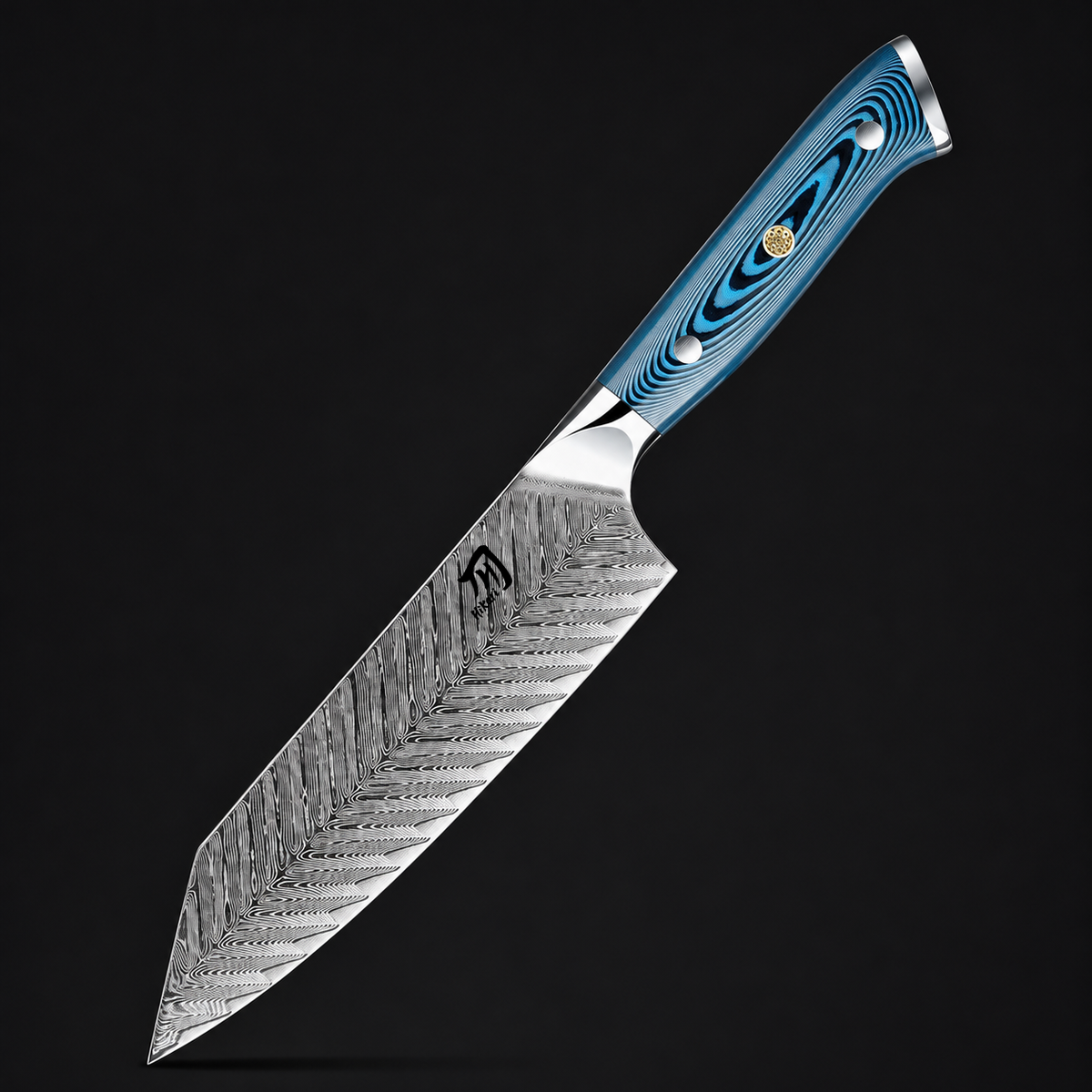
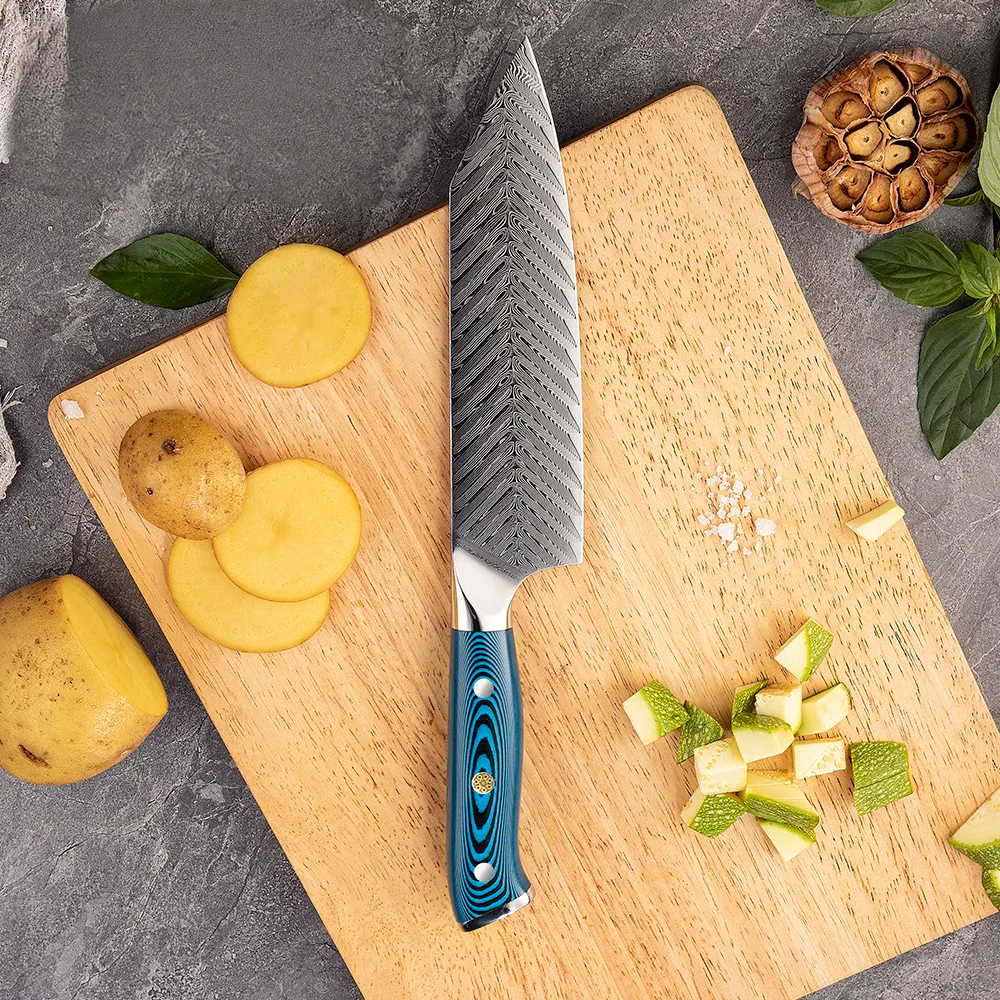
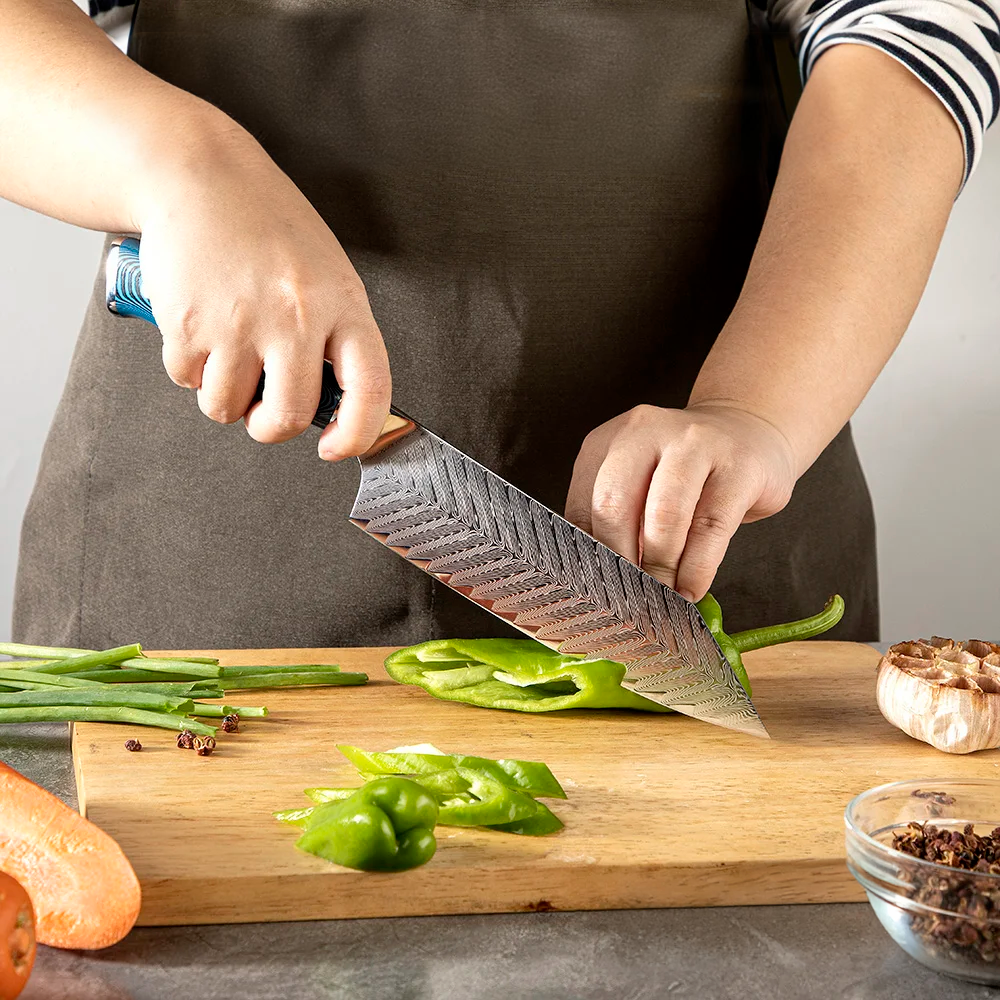
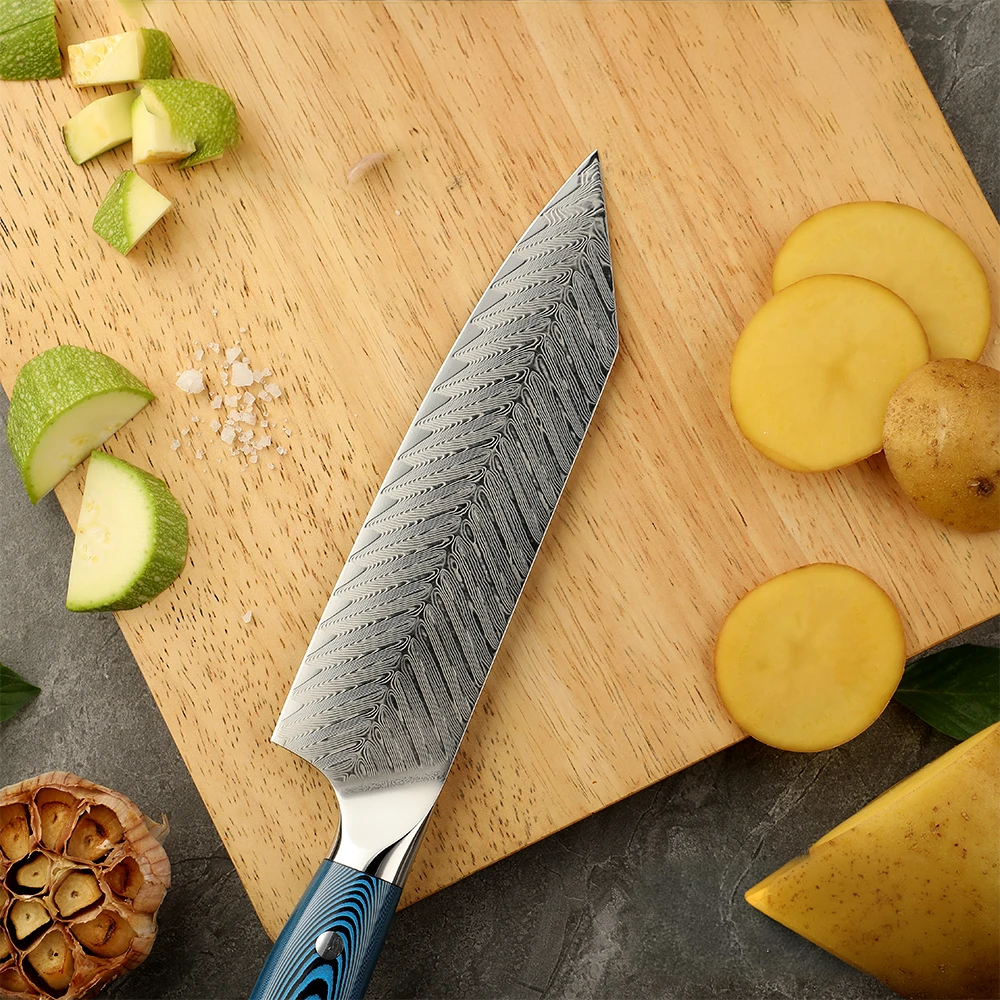
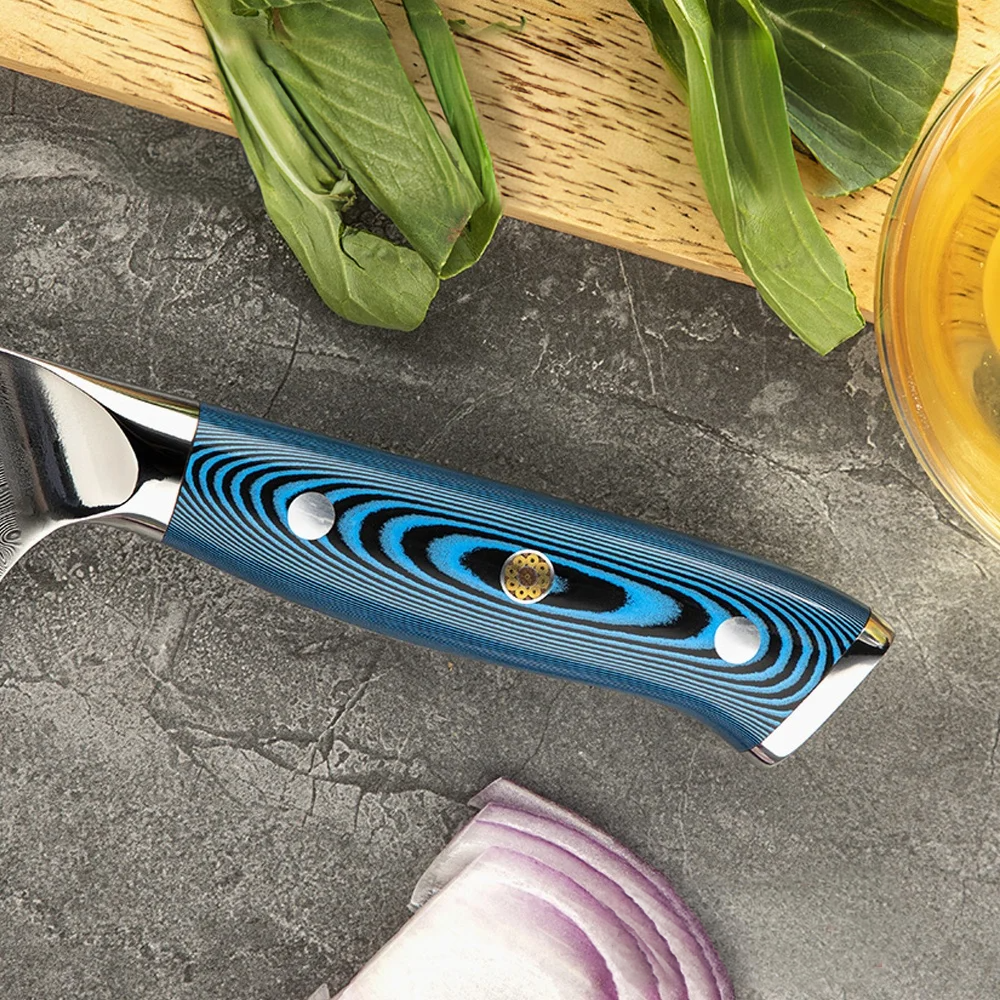
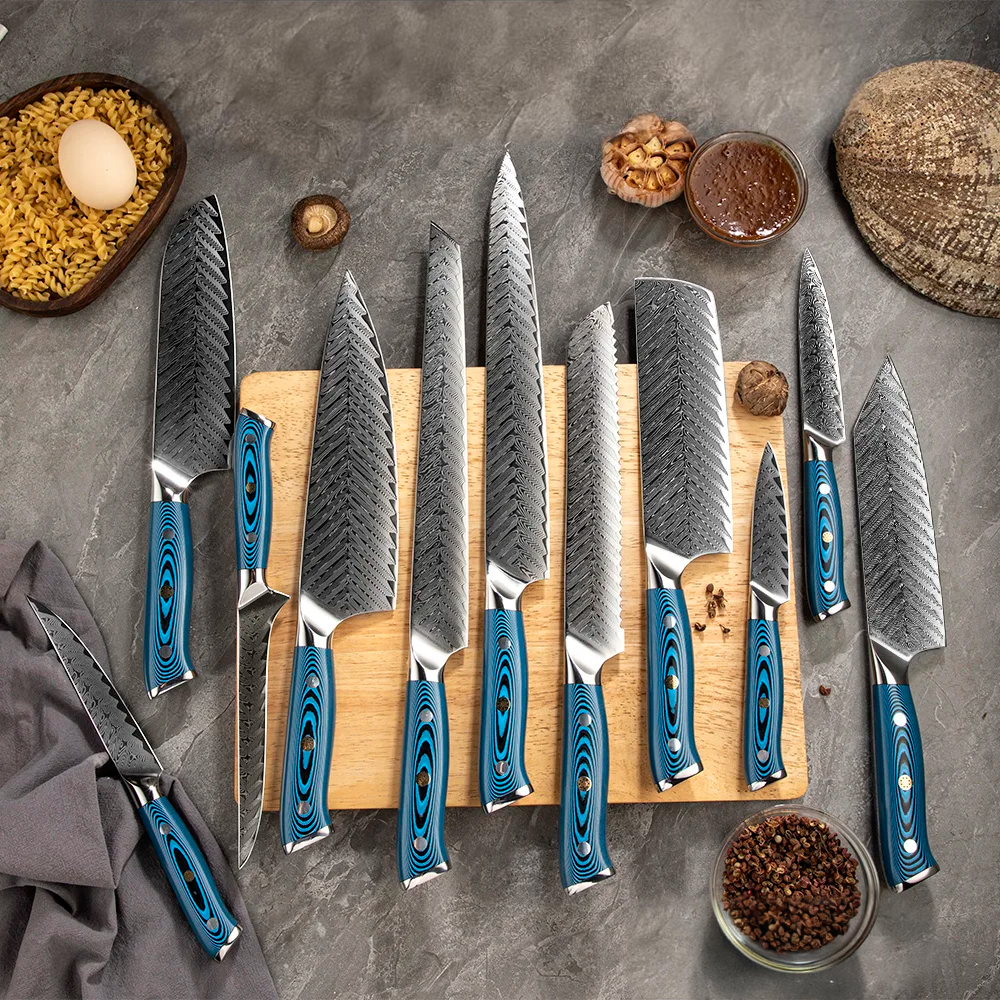
The Hikari Bunka Knife features an 18 cm blade made of 73-layer Damascus steel with a 9Cr18MoV core. It is a type of knife similar to the Santoku, but with a more aggressive blade, ideal for cutting meat, vegetables, and fish. It excels in slicing, chopping, and cutting tough ingredients, offering exceptional sharpness and durability. The broad, straight edge allows for precise cuts.
Each handmade knife may vary slightly in colour, pattern, dimensions and weight from the product images and specifications.
For care advice or questions, please contact us.

Sharpener
209,99 lei RON
299,99 lei RON

379,99 lei RON
499,99 lei RON
THIS KNIFE

| Blade length | 180 mm |
|---|---|
| Total length | 316 mm |
| Handle length | 136 mm |
| Blade width | 47 mm |
| Blade thickness | 1.9 mm |
| Knife weight | 231 g |
| Edge angle | 12° |
Converted values are rounded.
More from this collection
Explore the other blade shapes in this range and find a knife for a different task.

Everyday preparation
Premium Chef Knife, Hikari - Versatile 73-Layer Damascus Steel with Pakkawood Handle for Culinary PerformanceA versatile chef profile for everyday slicing, dicing and chopping.
609,99 lei RON 549,99 lei RON

Trimming and working around bones
Premium Boning Knife, Hikari – Filleting Knife for Meat and Fish, Damascus Steel and Pakkawood Handle, HonesukiFor trimming meat and working around bones with controlled cuts. Use the technique appropriate to the individual model.
459,99 lei RON 349,99 lei RON

Smaller preparation tasks
Premium Petty Knife, Hikari – Multi-Purpose Small Knife with Damascus and VG -10 Blade, for Precision CuttingA smaller knife for trimming, portioning and detailed ingredient preparation.
404,99 lei RON 344,99 lei RON

Slicing steak at the table
High-Performance Steak Knife – Damascus Steel, Ergonomic Handle, Ideal for Slicing and Carving Meats, HikariA table-knife profile for cutting cooked steak and other suitable foods into bite-sized pieces.
349,99 lei RON 329,99 lei RON

Everyday slicing and chopping
Japanese Style Knife for Meat, Vegetables, Hikari – Damascus Steel Blade, Ergonomic Pakkawood HandleAn all-round profile for preparing vegetables, boneless meat and other everyday ingredients.
629,99 lei RON 554,99 lei RON

Long, controlled slices
Hikari Yanagiba – Damascus Sushi Knife with Belle Pakkawood Handle, Raw Meat PreparationFor long, controlled slices of boneless fish and other suitable ingredients. Check the individual model’s bevel and handedness.
699,99 lei RON 614,99 lei RON

Peeling and detailed preparation
Professional Paring / Sharp Small Knife, Hikari – Damascus Blade, Pakkawood Handle, for Trimming VegetablesA compact knife for peeling, trimming and small, precise preparation tasks.
349,99 lei RON 304,99 lei RON

Long, controlled slices
Hikari Sujihiki Knife – Damascus Blade, Pakkawood handle, for Slicing and Butchering Meat & FishFor long, controlled slices of boneless fish and other suitable ingredients. Check the individual model’s bevel and handedness.
699,99 lei RON 629,99 lei RON

Slicing bread and baked goods
Bread High-Carbon Martensitic Stainless Steel Blue Pakkawood Handle 20cmA bread-cutting profile for slicing loaves and baked goods.
549,99 lei RON

Vegetable preparation
Premium Nakiri Knife, Hikari – Damascus Steel Blade, Pakkawood Handle, Professional Vegetable Cutting ToolA broad blade profile for slicing and chopping vegetables.
599,99 lei RON 534,99 lei RON
Unable to load more knives. Try again or view the full collection.

73-Layer Damascus & Blue Pakkawood
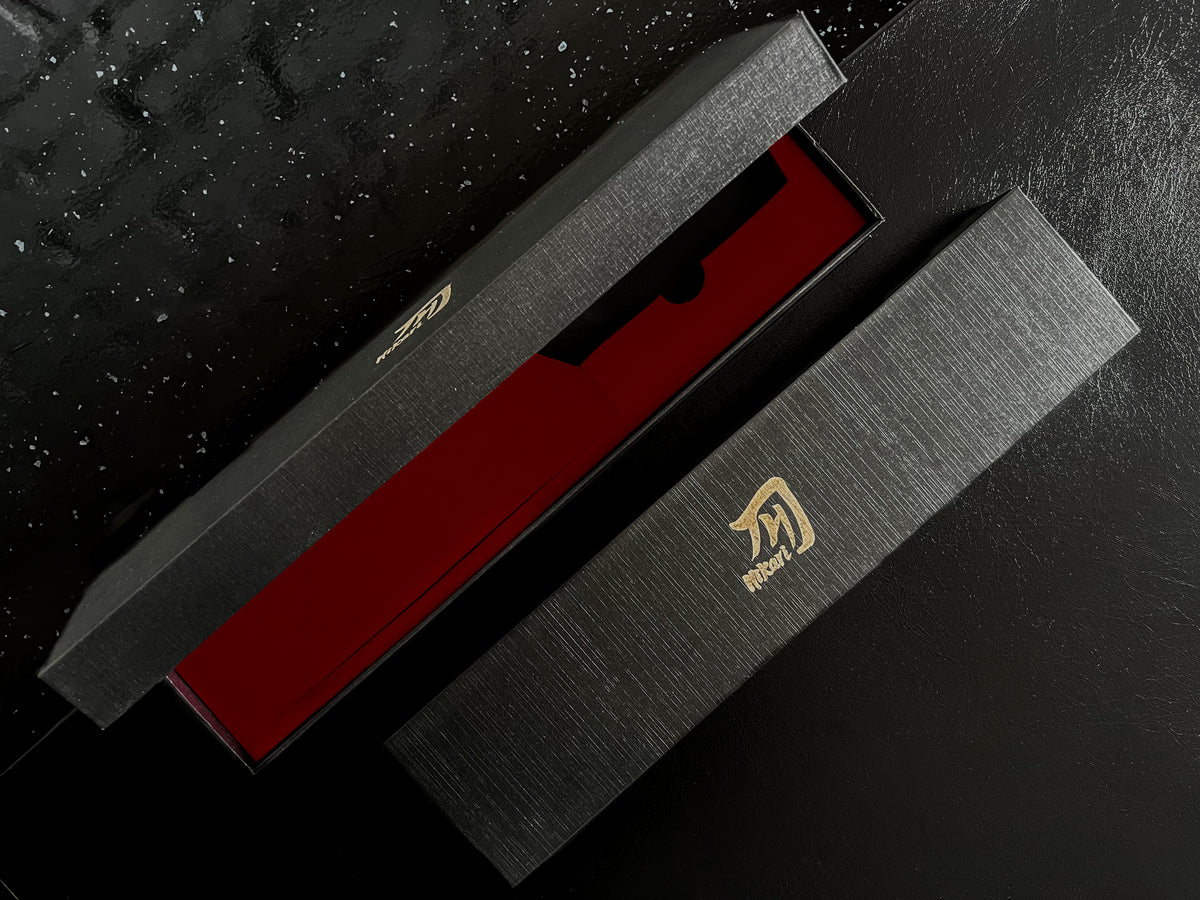
Presentation
Knife care
Keep your knife ready for the next meal with a few simple habits.
Use each knife for its intended tasks. Avoid twisting or prying with the blade. Do not cut bones or frozen food unless the knife is specifically designed for that purpose.
A little help choosing